
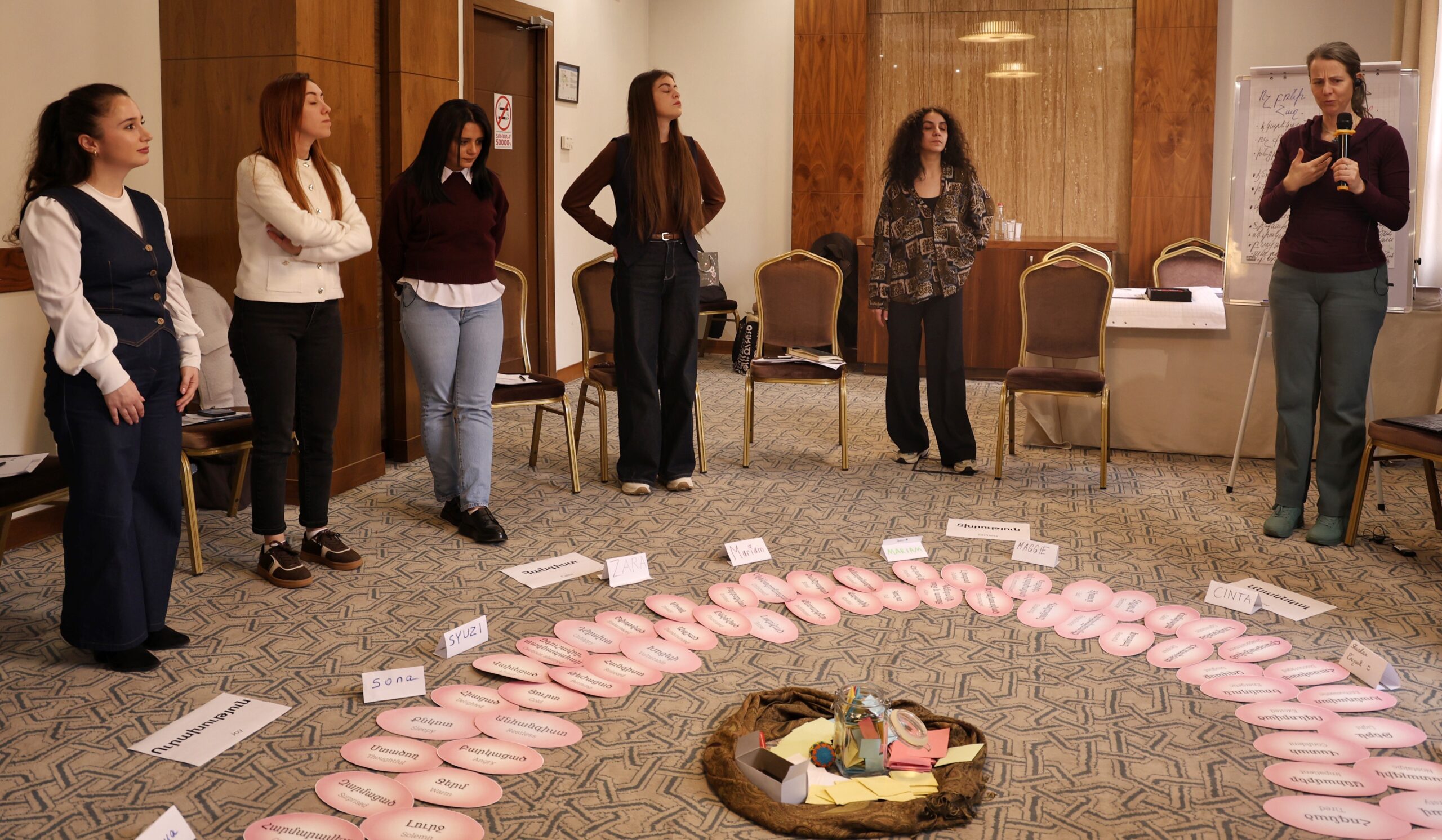
How to speak without aggression, recognize one’s own emotions and needs, and apply nonviolent communication: representatives of Armenian civil society organizations took part in a three-day training dedicated to the principles of Nonviolent Communication (NVC), becoming familiar with its core tools and practical applications.
Recognizing the importance of promoting and strengthening a culture of nonviolent communication in Armenia, the Public Journalism Club continues to organize trainings on this topic within the framework of the program “Professional Media and Civil Society Join Forces for Dialogue,” implemented with the financial support of the European Commission and in cooperation with International Alert.
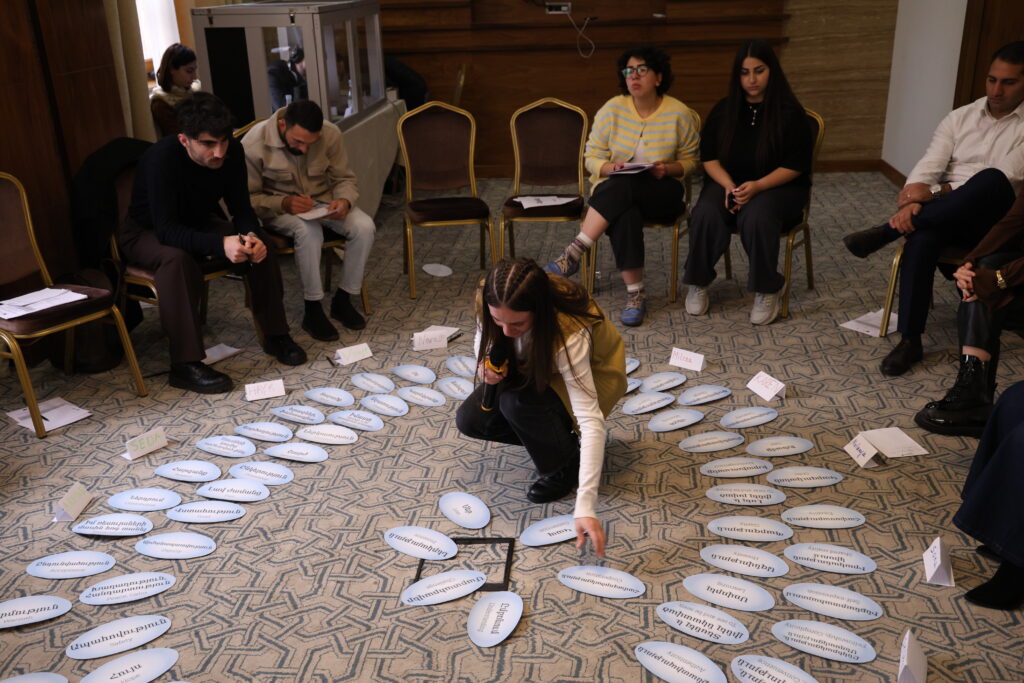
NVC is a globally practiced method of respectful communication that helps people better understand one another, build trust, and communicate responsibly without causing harm or offense.
The dissemination of NVC is essential for strengthening social cohesion, fostering peacebuilding and dialogue, and improving the quality of public discourse.

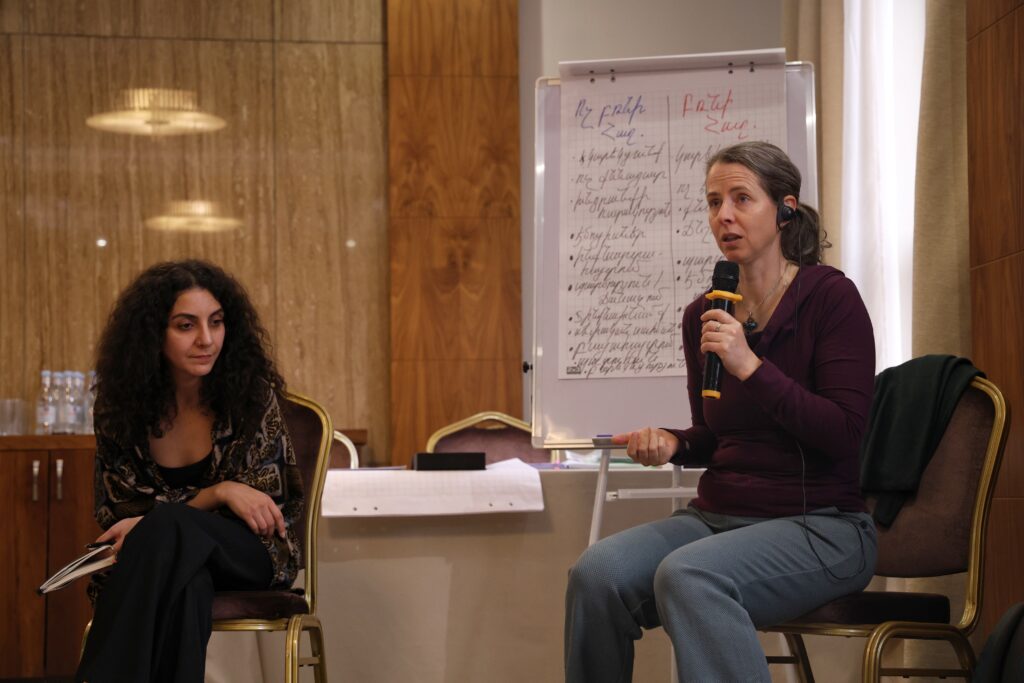
The training was conducted by internationally certified NVC expert Sinta Depoont, who guided participants through the principles of NVC and skills for building peaceful relationships.
“I see how representatives of the new generation of civil society are interested in and open to nonviolent communication. I also see how difficult it can sometimes be for them to adopt this new form of communication, and what obstacles are created by communication patterns that have already become habitual. At the same time, I notice how they search for alternative ways of communicating—both internally and within society—which can be especially important when working with the pain caused by violent conflict,” noted Sinta Depoont.
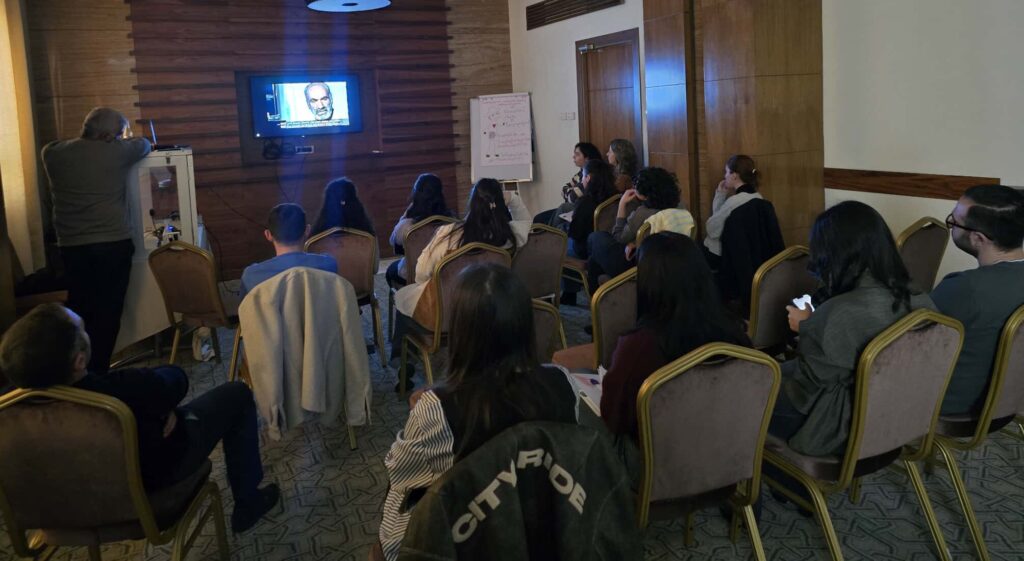
On the third day of the training, the documentary film “From Home to Home” was screened and presented by its co-author and Head of the Public Journalism Club, Seda Muradyan. The film reflects ideas of peacebuilding and mutual understanding by telling the story of Armenians who moved from Azerbaijan to Armenia, and Azerbaijanis who moved from Armenia to Azerbaijan in 1989, amid rising tensions before the Karabakh war. These communities exchanged villages and pledged not to destroy the graves left behind in those villages.
The film screening was followed by a discussion titled “Opportunities and Challenges for Peacebuilding in Armenia,” during which participants presented existing opportunities and resources for strengthening peacebuilding in Armenia, and reflected on obstacles and risks to peacebuilding efforts.
In the final segment of the event, participants from a previous NVC training presented their individual projects, which included capacity-building trainings on the topic, a podcast, an educational booklet, and other initiatives.
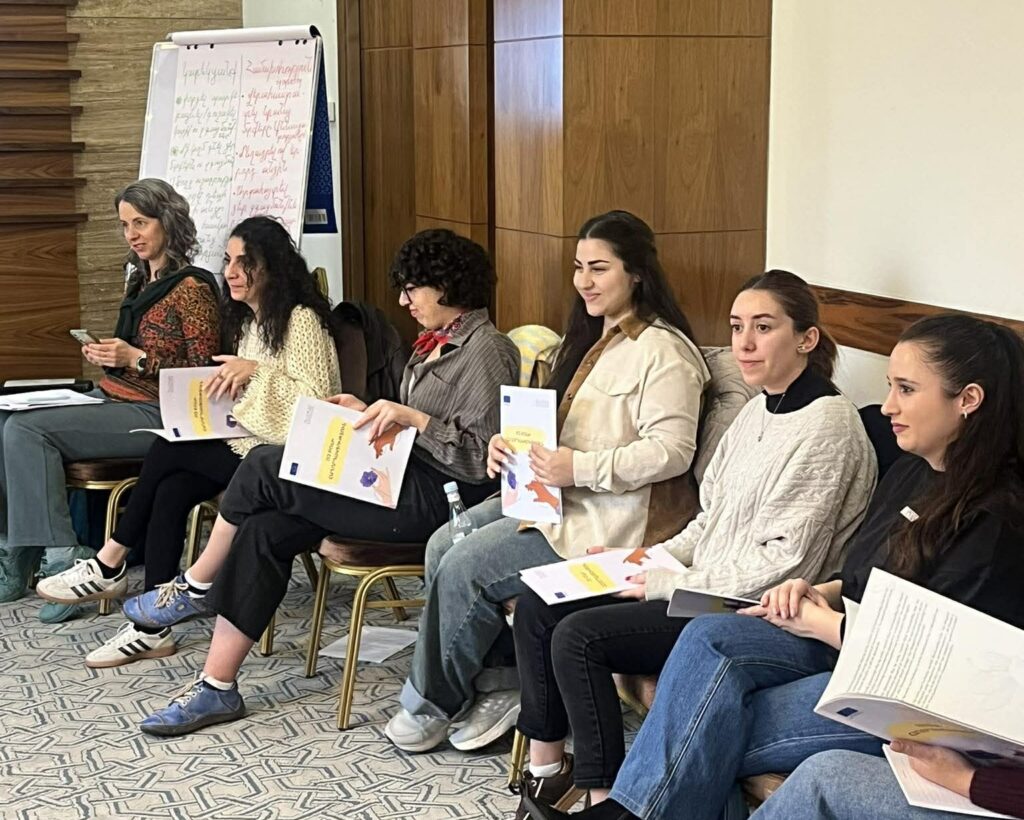
Notably, within the framework of the program, an educational booklet on Nonviolent Communication was developed and published—the first practical guide of its kind in the Armenian language. The booklet was developed by program beneficiary and partner Gohar Grigoryan, inspired by her participation in the NVC capacity-building trainings organized by the Public Journalism Club, as well as by Marshall Rosenberg’s book “Nonviolent Communication: A Language of Life.” The practical content, examples, and exercises were reviewed and refined under the mentorship of Sinta Depoont, ensuring methodological accuracy and alignment with international standards.
The booklet aims to present tools for peaceful and constructive communication both in personal and interpersonal relationships, as well as in broader public and international contexts.
“The dissemination of NVC culture in Armenia is of great importance to me, as it is particularly applicable in countries with high levels of social tension and hate speech, such as, unfortunately, Armenia. NVC will help our society create a healthy environment for dialogue, free from blame, self-blame, and insults. If there is a prescription that can heal our society, then one of its remedies, in my view, is nonviolent communication. I hope this booklet will serve that purpose and another important goal—peacebuilding—by creating a platform for mutual understanding and dialogue among countries in the region. NVC is an excellent tool for overcoming conflicts at both individual and public levels and resolving them peacefully,” said the author of the booklet, Gohar Grigoryan.
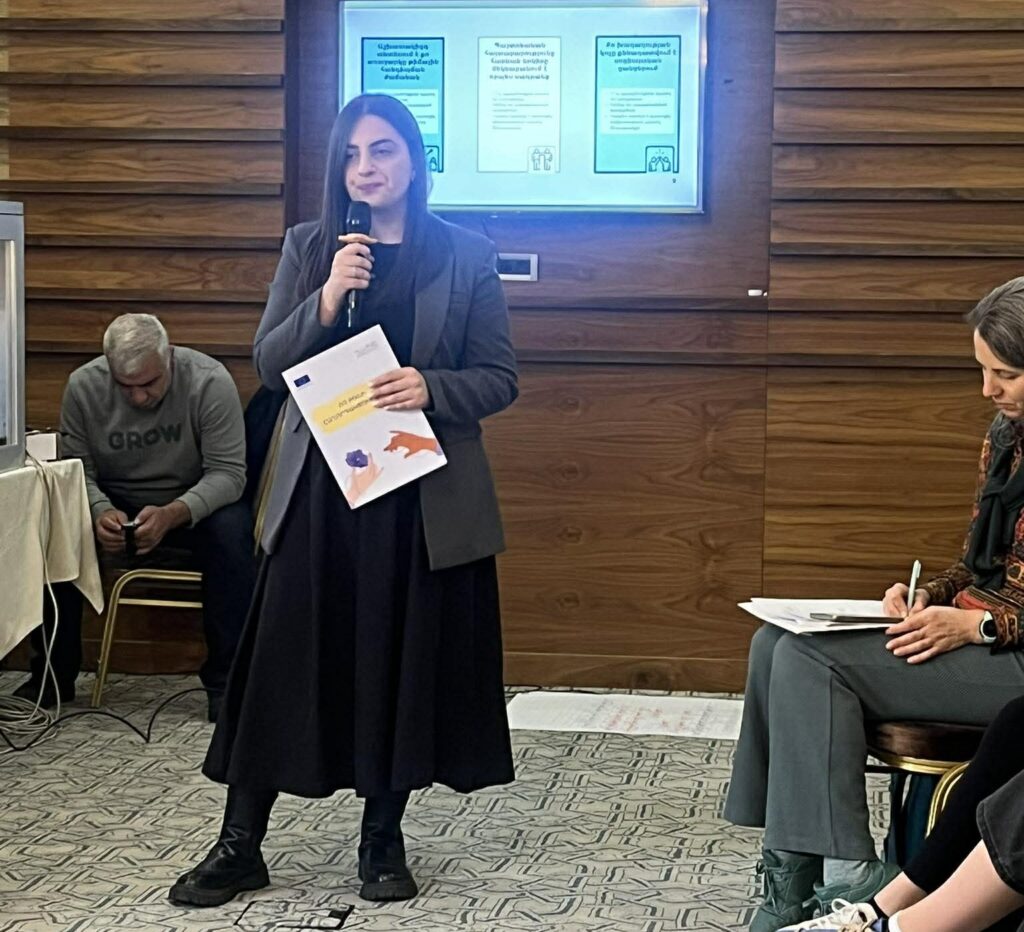
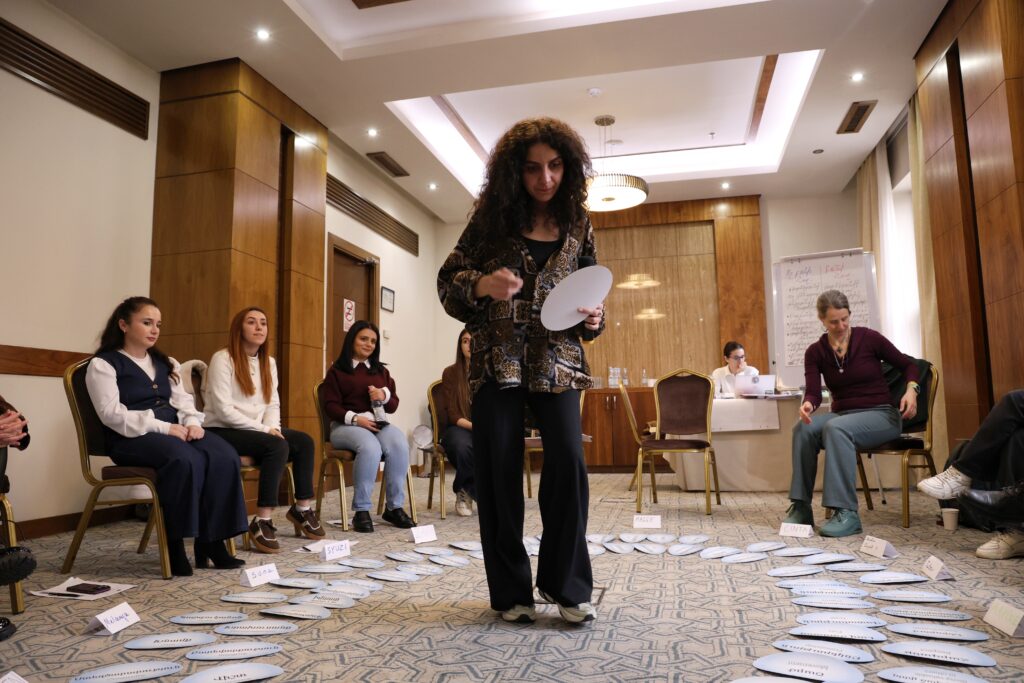
Participants emphasized that the nonviolent communication training revealed new skills and approaches that will help them better recognize their own emotions and needs, become more empathetic toward others, and resolve emerging conflicts constructively. They highlighted that the training not only improved their communication style but also inspired them to further deepen their NVC skills and disseminate them within their communities. Participants also underscored the importance of nonviolent communication in international peacebuilding initiatives.
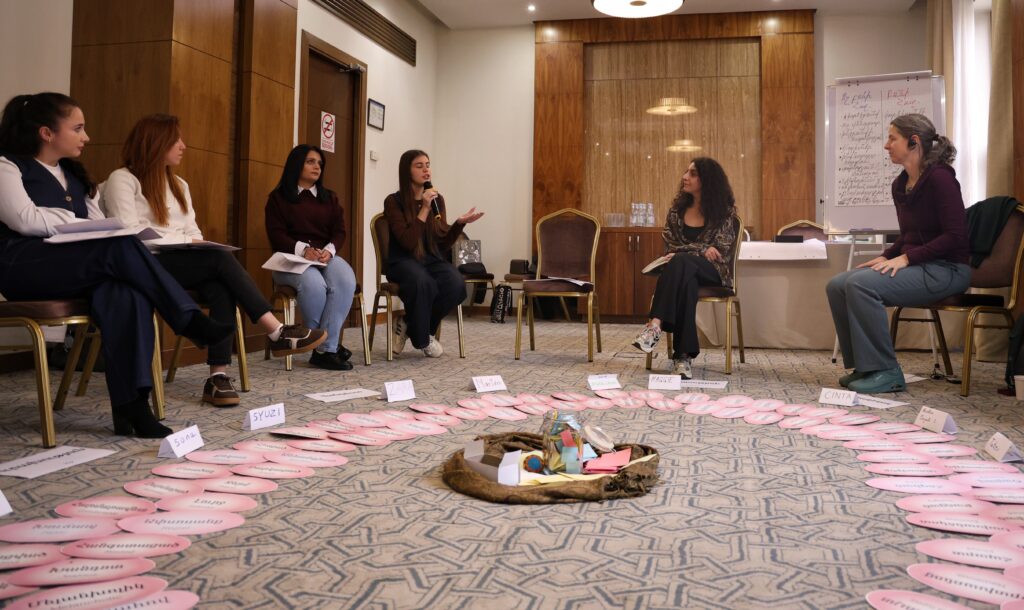
It should be noted that this is the second time the Public Journalism Club has organized a nonviolent communication training in Yerevan for representatives of civil society organizations. The Club places great importance on the continued cooperation of the community interested in nonviolent communication, with the aim of developing and strengthening NVC culture in Armenia.
___________________________
For further questions, please contact Hasmik Paytyan, Communications and Programs Coordinator at PJC (+37493270808, [email protected]).