
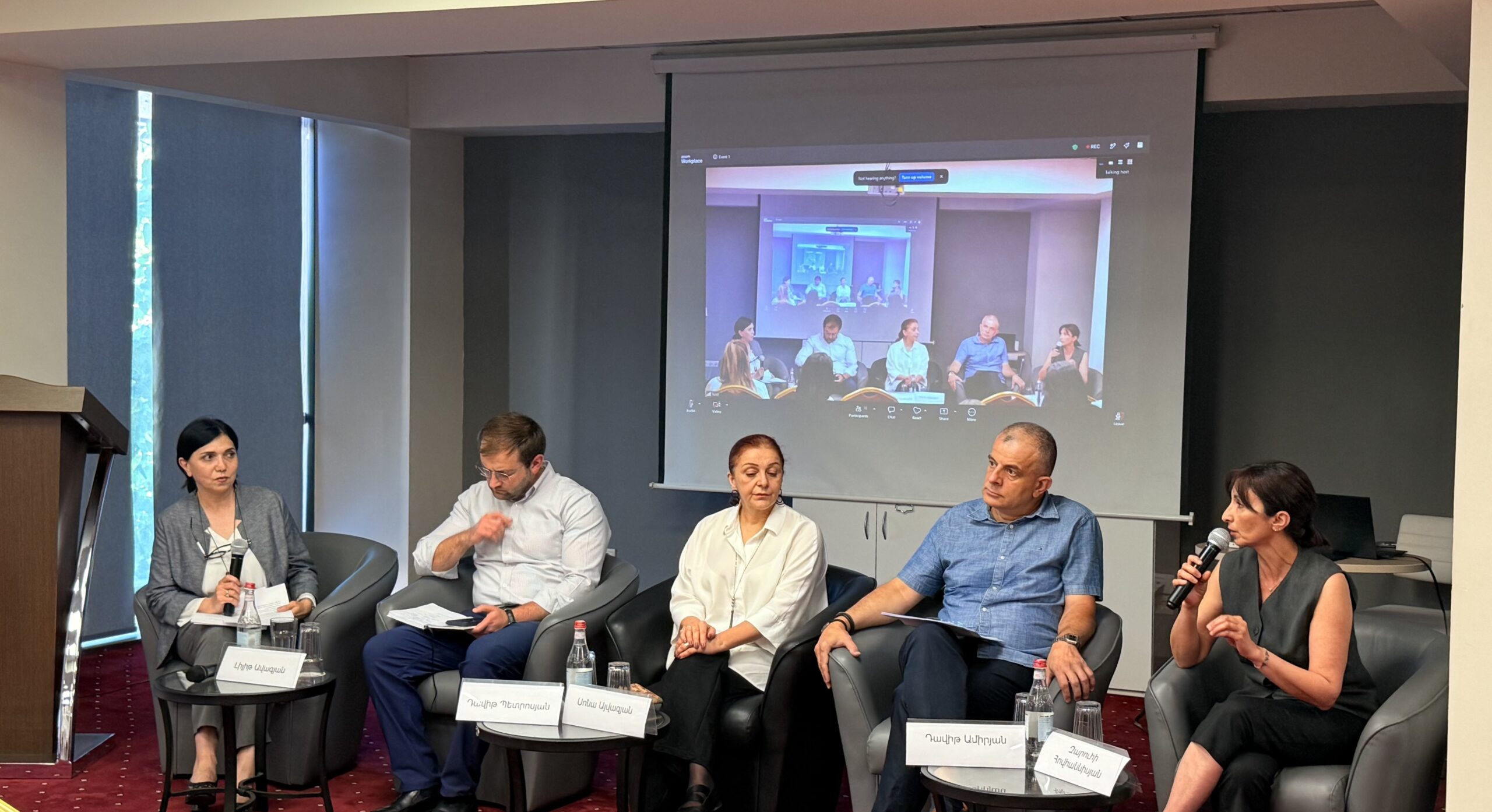
On July 10, media professionals, civil society representatives, communication specialists, and journalists from across Armenia gathered in Yerevan for the discussion, “Post-Elections: The Resilience Agenda for Media and Civil Society.”
The event opened with welcoming remarks delivered by Seda Muradyan, President of the Public Journalism Club NGO, and Irina Neagu, Regional Program Manager for the Black Sea Trust for Regional Cooperation at the German Marshall Fund of the United States.
“Although the June 7 elections are behind us, we all understand very well that information attacks aimed at undermining trust in democratic institutions and democracy in general in Armenia do not end with the conclusion of the election process,” Seda Muradyan noted in her opening remarks.
She noted that hybrid threats and interference by external actors have become part of the broader ecosystem, and that we must learn to live with these challenges while developing the capacity to effectively respond to them.
“To protect a vulnerable democracy, we, as civil society and the media community, must work together in a coordinated and united manner. Both during the pre-election and post-election periods, we have witnessed the irresponsible devaluation of democracy—not only by external actors, but, even more concerningly, by those who have assumed responsibility for upholding democratic values,” Mrs. Muradyan added.
Irina Neagu welcomed the event and highly appreciated the role of media organizations and civil society in strengthening societal resilience.
“Post-election periods may seem like a time to take a breath; however, it is precisely during this time that we must actively engage in the process of building resilience,” Mrs. Neagu stated.
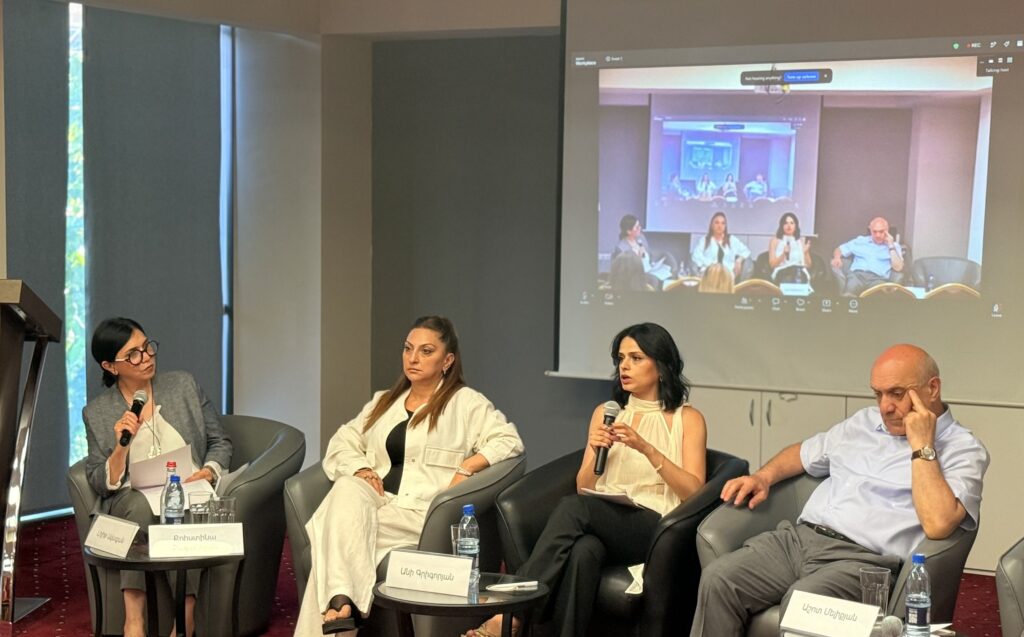
The two panel discussions held during the event addressed the challenges related to the resilience of civil society and the media in Armenia. The discussions focused on the post-election landscape in Armenia.
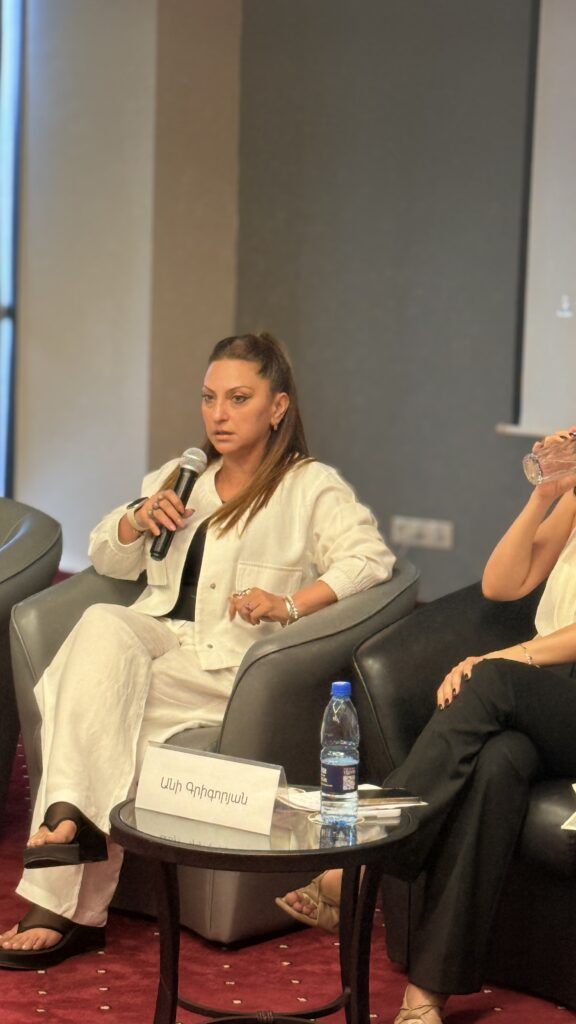
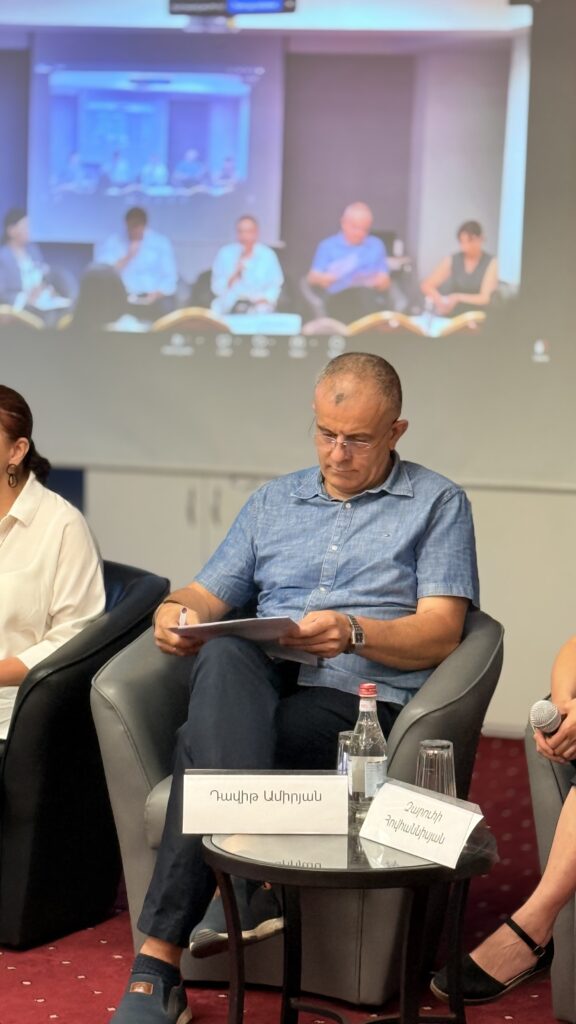
The Post-Election Agenda and Priorities of Civil Society
During the panel discussion titled “Lessons Learned and the Civil Society Resilience Agenda in Armenia,” participants explored issues related to electoral processes, disinformation, public trust, and civic participation through a comparative perspective on the experiences of Armenia and Moldova.
Lilia Zaharia, Executive Director of Transparency International Moldova, noted that despite the differences between Armenia and Moldova, both countries have faced attempts to undermine trust in journalists, state institutions, and democratic processes through propaganda and disinformation.
According to her, in Moldova, social media platforms, influencer networks, and various manipulative narratives have been actively used to influence broad segments of society.
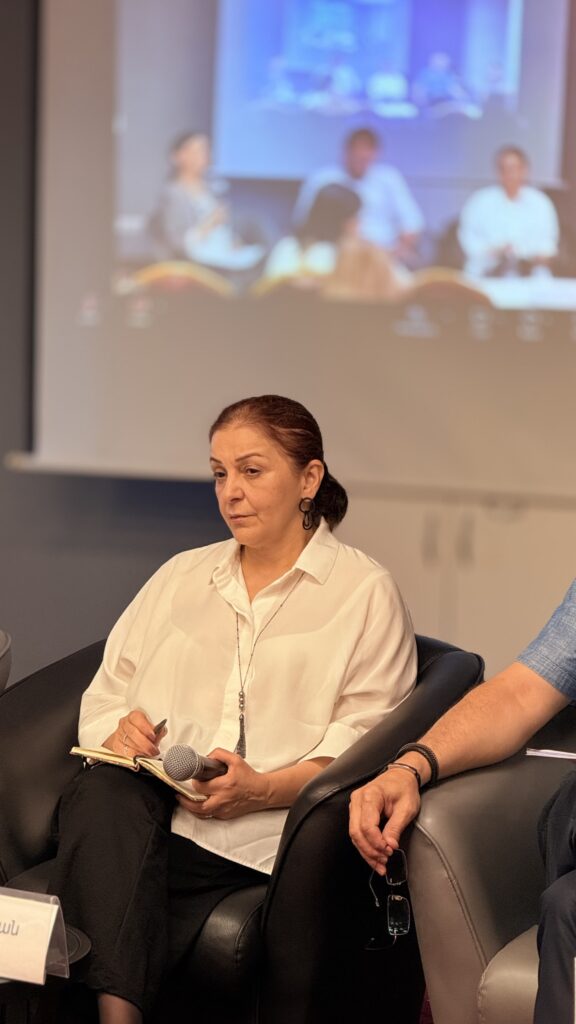
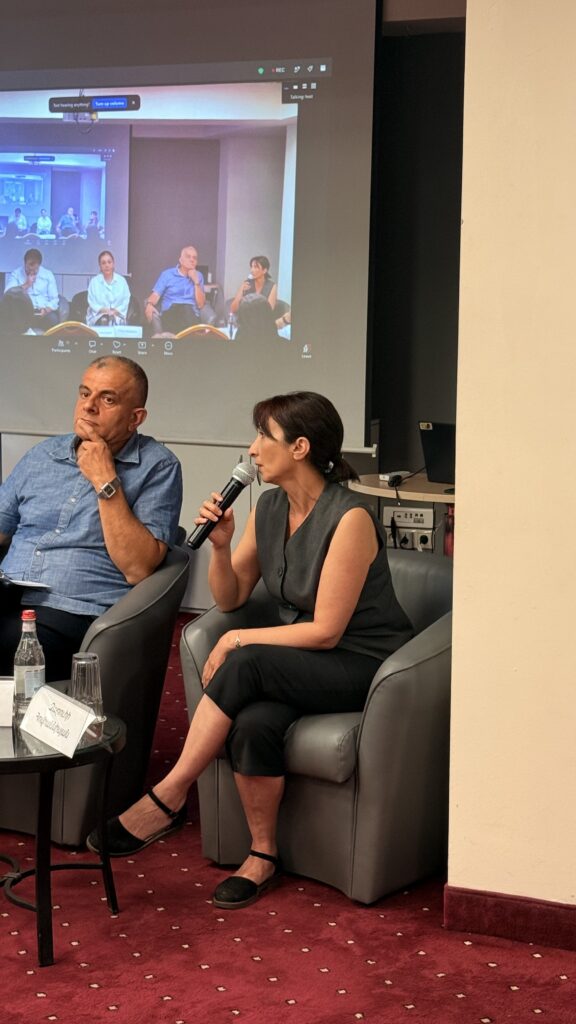
David Amiryan, President of the Board of the Scientific Association of Psychologists of Armenia, emphasized the need to reconsider the essence and functions of civil society. According to him, civil society cannot be limited to NGOs alone; it should build social capital and genuine societal connections based on shared values
Human rights defender Zarui Hovhannisyan described the elections as “elections of fear,” also addressing cases of human rights violations and the disproportionate use of force. She noted that civil society in Armenia is highly fragmented, while the weakening of social movements and public mobilization limits society’s influence on democratic processes.
Sona Ayvazyan, Executive Director of Transparency International Anticorruption Center NGO, noted that the knowledge and tools accumulated in the past are no longer sufficient for effectively monitoring rapidly changing electoral processes.
“Civil society must multiply its efforts, engage with citizens, and build stronger cooperation with the media. It is this cooperation that can help restore and strengthen the connection with citizens,” she noted.
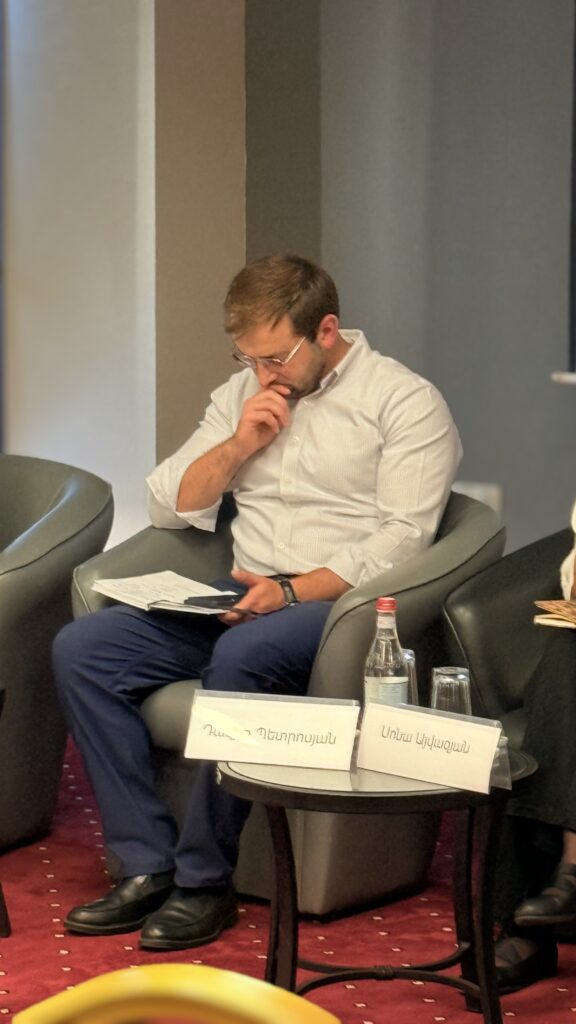
David Petrosyan, Co-Founder of the Yerevan Center of Foreign & Security Policy, emphasized that most of the forces participating in the electoral contest lacked a clear agenda for democratic reforms. In his assessment, civil society has also significantly lost its capacity to shape its own agenda and often remains limited to responding to already established political agendas.
The participants agreed that civil society needs to regain its proactive role, develop its own agenda for priority reforms, and establish a strategy for advancing it in a transparent and accountable manner.
Independent Media: A Shield for Democracy
During the panel discussion titled “Lessons Learned and the Media Resilience Agenda in Armenia,” participants discussed media polarization, political influences, information manipulation, and the protection of independent journalism.
Ashot Melikyan, Chairperson of the Committee to Protect Freedom of Expression, noted that the protection of human rights and freedoms is never granted by default, and that society and civil society institutions must continuously work to safeguard them.
According to him, during the elections, fact-checking platforms and investigative journalists played an important role in exposing and countering hybrid threats. At the same time, extreme polarization and the alignment of media with political interests continue to be among the key challenges facing Armenia’s media landscape.
Ani Grigoryan, a journalist at CivilNet, addressed the scale of disinformation campaigns targeting Armenia in recent years, noting that the public often does not fully understand the meaning and risks associated with the concept of “hybrid warfare.”
According to her, significant resources were spent on digital and political advertising during the pre-election period, which encouraged independent media organizations to launch awareness-raising campaigns and inform the public about the potential risks of digital manipulation.
Kristina Barseghyan, Executive Director of Hetq, emphasized that society is the state’s primary resource, while noting that it is often devalued in public discourse.
“Media outlets have been operating under conditions of information pressure for a long time. It is an important achievement that a number of media organizations have been able to unite and jointly withstand this pressure. If society does not have a voice through the media, the consolidation of democracy will be seriously at risk,” she stated.
Corina Cepoi, Head of the Independent Media Support Program in Moldova, highlighted the importance of professional cooperation between Armenia and Moldova, while emphasizing that the challenges faced by the two countries cannot be fully equated. According to her, each country requires tools and solutions tailored to its specific local context.
She also emphasized that the lack of protection for independent media poses a threat not only to journalists but to society as a whole. Moldova’s experience demonstrates that without independent journalism, it would not have been possible to uncover numerous abuses and scandals related to electoral processes.
The participants concluded that independent, professional, and publicly trusted media is one of the most important mechanisms for protecting democracy and strengthening societal resilience. Achieving this requires genuine guarantees for media independence, professional solidarity, and credible communication with society.
The panel discussions were moderated by journalist and coordinator of the PJC Media Center, Lilit Avagyan.
The event is being implemented within the framework of the project “Learning from Moldova: Building Armenia’s Democratic Resilience ”. It has been made possible with the support of the Black Sea Trust for Regional Cooperation – a project of the German Marshall Fund of the United States.
Contact: Viktorya Melkonyan, Communication and Projects Coordinator of PJC, [email protected], +374 94 274727.
*Additional information
As part of the “Strengthening Democratic Resilience in Armenia through the Study of Moldova’s Experience”project, initiated by the Public Journalism Club (PJC), a study visit to Moldova was organized in March. Following the visit, participating journalists produced a series of investigative media materials based on the knowledge and experience gained during the programme.
As part of the same project, the workshop “Strengthening Democratic Resilience: The Armenia–Moldova Experience in Countering Hybrid Threats” was held in Yerevan on 23 May, bringing together leading investigative journalists from Armenia and Moldova to exchange experiences and discuss approaches to countering hybrid threats.