

On June 7, Armenian citizens will approach the ballot box having already gone through not only the election campaign, but also a period of intense informational pressure.
In this election campaign, the struggle was not confined to public squares, television broadcasts, or pre-election debates. It had shifted to social media platforms, anonymous websites, Telegram channels, fake news outlets, pages offering paid visibility, and targeted messaging. Fear, distrust, the perceived threat of a ‘loss of statehood,’ and warnings about war or further concessions became some of the primary tools used to influence voters.
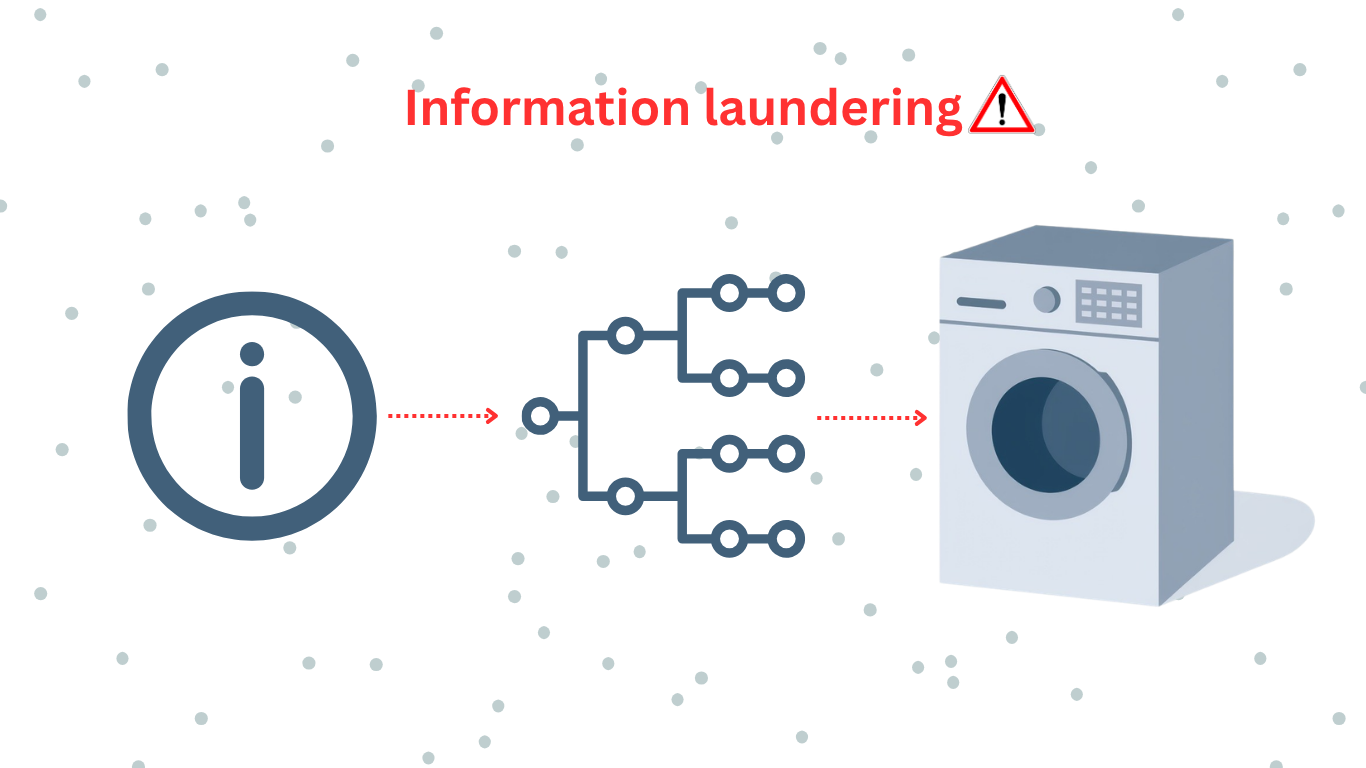
However, the focus of this article is not any political party or alliance participating in Armenia’s elections, but rather the external actor whose affiliated networks have sought to influence Armenia’s information environment in recent months. The subject is Russian and pro-Kremlin influence operations—from fake websites and bot activity to the systematic dissemination of narratives and attempts to influence search engines and artificial intelligence tools.
Read the full article here.
This article was prepared within the framework of the project “Learning from Moldova: Building Armenia’s Democratic Resilience” implemented by Public Journalism Club with financial support from Black Sea Trust for Regional Cooperation – a project of the German Marshall Fund of the United States.
The views and assessments expressed in this article and vide are those of the author(s) and do not necessarily reflect the official position of the organizations funding the project.