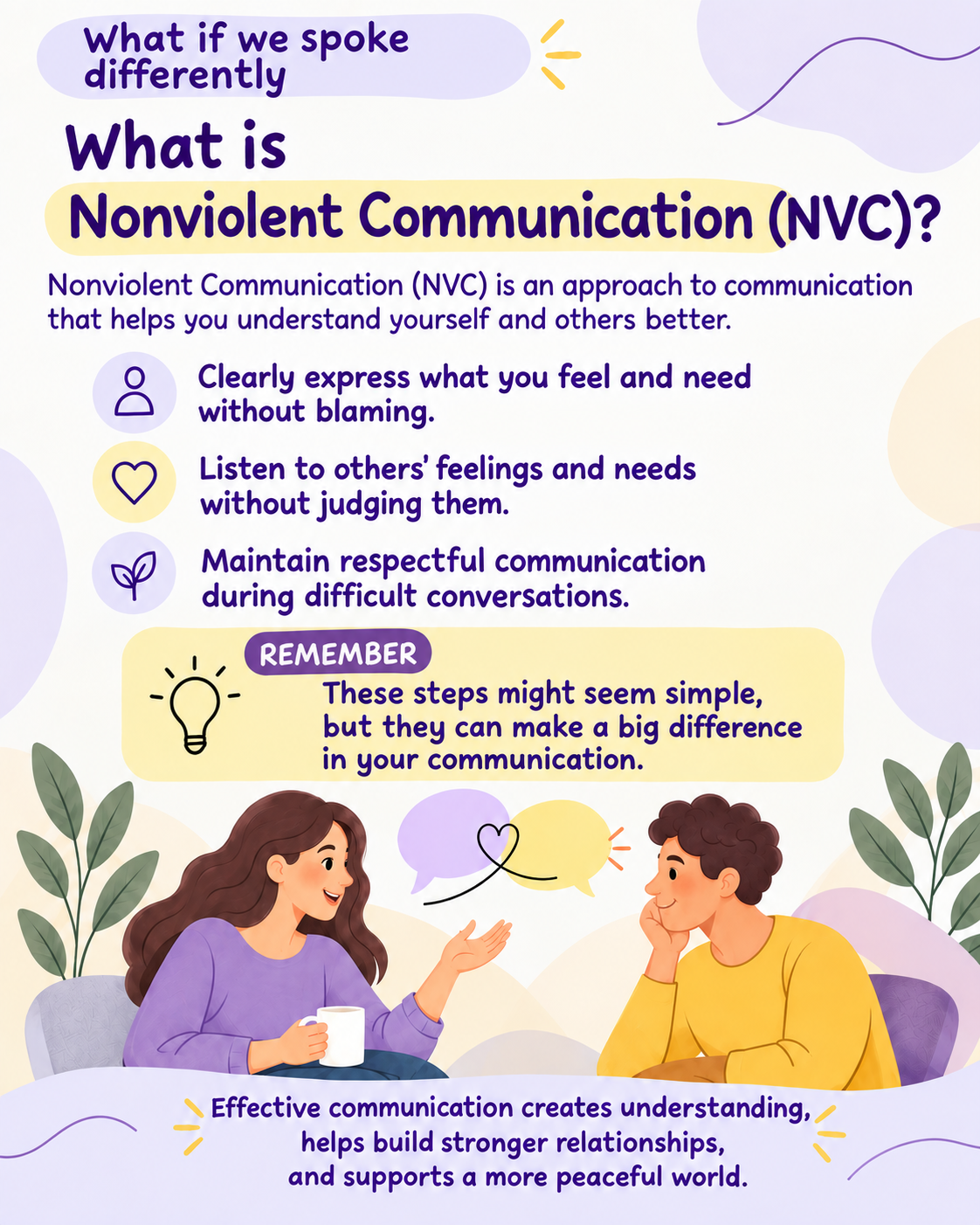

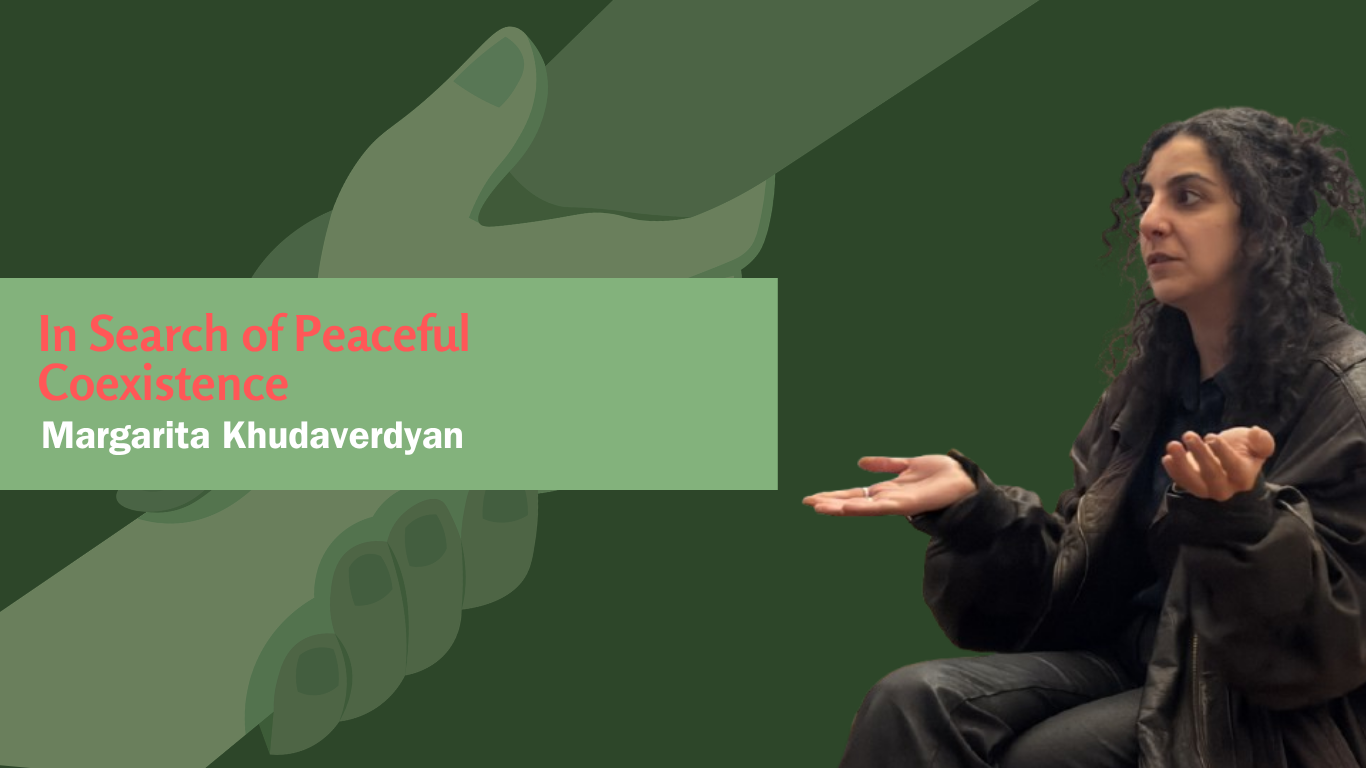
Have you ever experienced a moment when you speak, but words fail to express what you truly feel or what you really want to convey? Nonviolent Communication (NVC), or “The Art of Connection,” is what teaches us to align words with feelings and to build relationships grounded in empathy and understanding.
And when asked what role this principle of communication plays in the process of establishing peace, Margarita Khudaverdyan has her own unique answer: “Armenia and Azerbaijan are now on the path to peace, and we hope this will truly become a reality. Before I became familiar with NVC, I believed that peace at only the political and economic level is neither stable nor real; instead, communication between societies and open discussions about existing conflicts are necessary. After learning about NVC, I realized that this is exactly the kind of communication tool we can use to understand the past experiences of our two societies and jointly explore possible ways of peaceful coexistence. This idea motivated me to continue my journey with NVC,”
Margarita Khudaverdyan is a participant in the “Professional Media, Practitioners and Grassroots Joining Forces for Dialogue” program implemented by the Public Journalism Club, and a winner of the individual competition announced within the framework of the program.
She works at the “Direct Democracy” NGO and, alongside her professional activities, has managed to participate in all international and local events on NVC organized by the Public Journalism Club. She has also completed a three-day intensive NVC training in Wiesbaden, Germany.
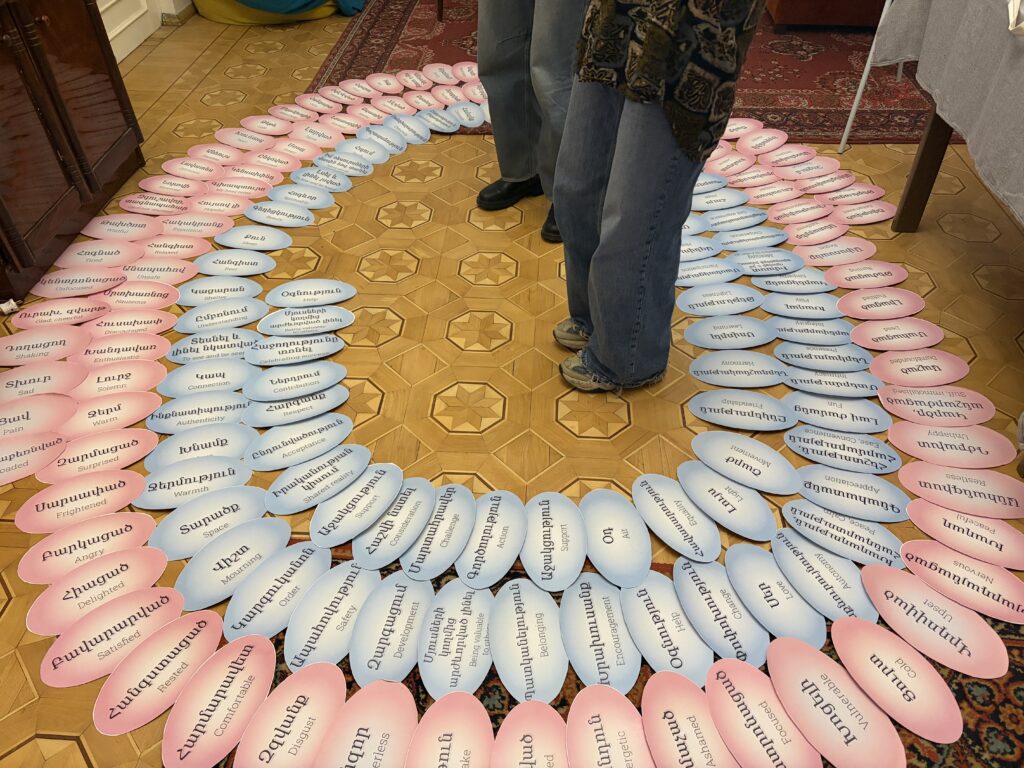
Within the framework of her individual project, she tried to promote the principles of NVC in Vanadzor by organizing trainings titled “Soft Communication with Ourselves and Others.”
The trainings were held at the Loft space in Vanadzor, at the “Equal Rights, Equal Opportunities”NGO and were attended by 25 representatives of civil society and students.
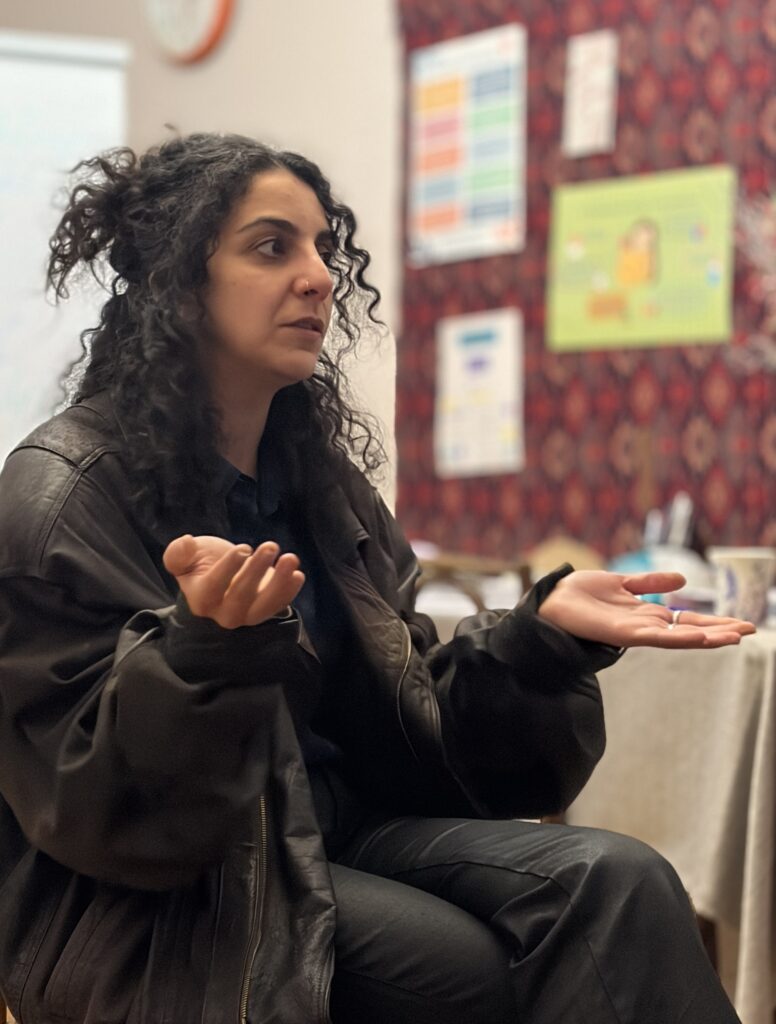
“NVC provides an opportunity to uncover the needs of the individuals and groups involved. It is an excellent means of communication that can make personal, political, and social processes more inclusive by taking into account the needs of all parties involved. One sentence from our trainer, Cinta Depondt, perhaps best captures the essence of NVC for me: ‘There are two games—the first is who is right and who is wrong, and the second is how we can contribute to making each other’s lives better.’ I become more and more convinced that our society and our region need to look at processes through the second lens. I am now actively trying to sustain NVC in Armenia by self-educating, participating in various international trainings, and sharing my experience here,” says Margarita Khudaverdyan.
“There is a significant institutional need for NVC. I became convinced of this when I distributed an informational booklet on NVC among local NGOs and received a quick and strong response, with a strong interest in organizing trainings for their teams and beneficiaries,” she adds.
She regularly reflects on her professional learning on the topic, highlighting the importance of NVC.
Margarita Khudaverdyan presents the significance of the NVC language in a short video.
This initiative was made possible within the framework of the “Professional Media, Practitioners and Grassroots Joining Forces for Dialogue” project, implemented by the Public Journalism Club with financial support from the European Commission.The project partner is International Alert.