
In moments of conflict, we often try to be more persuasive, respond more quickly, or speak more loudly. At other times, we become defensive, withdraw, or retaliate. But is it possible, even in the midst of a difficult situation, to communicate differently — without silencing our pain, our disagreement, or our boundaries?
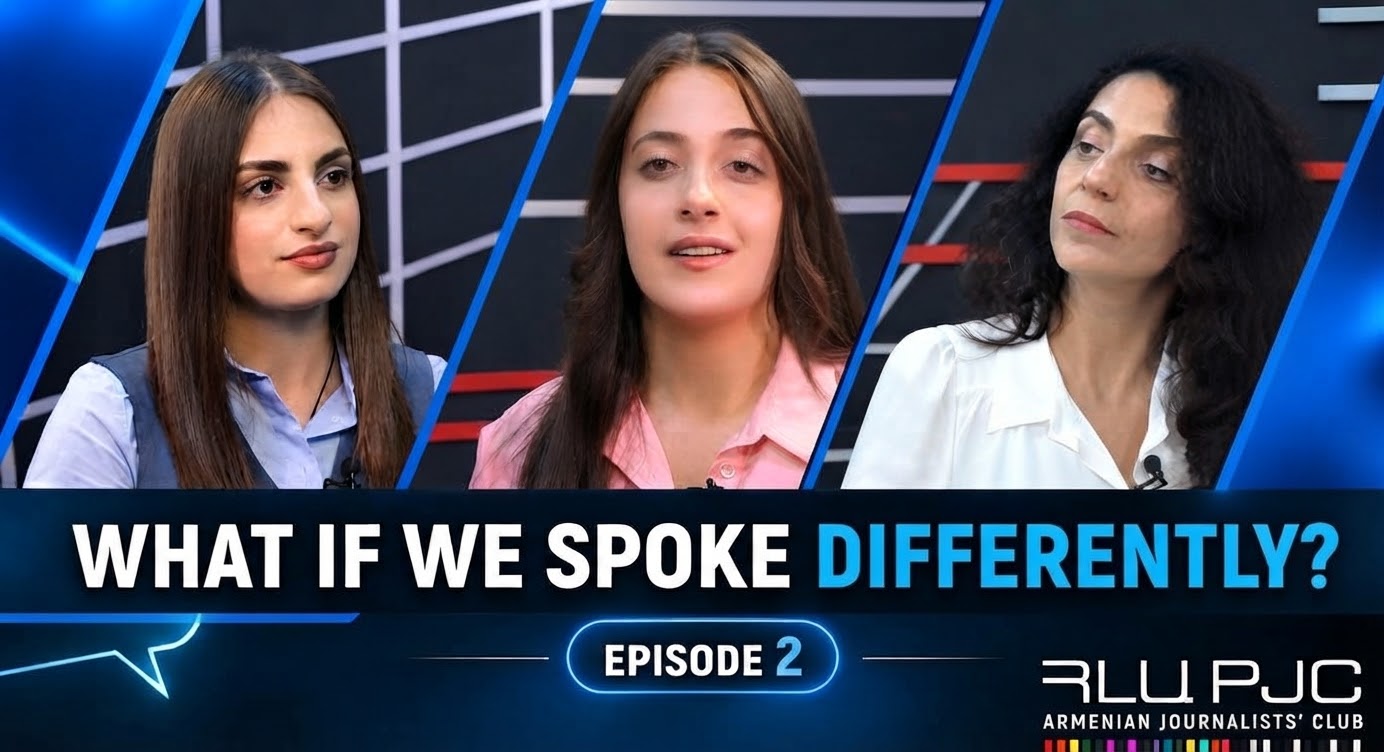
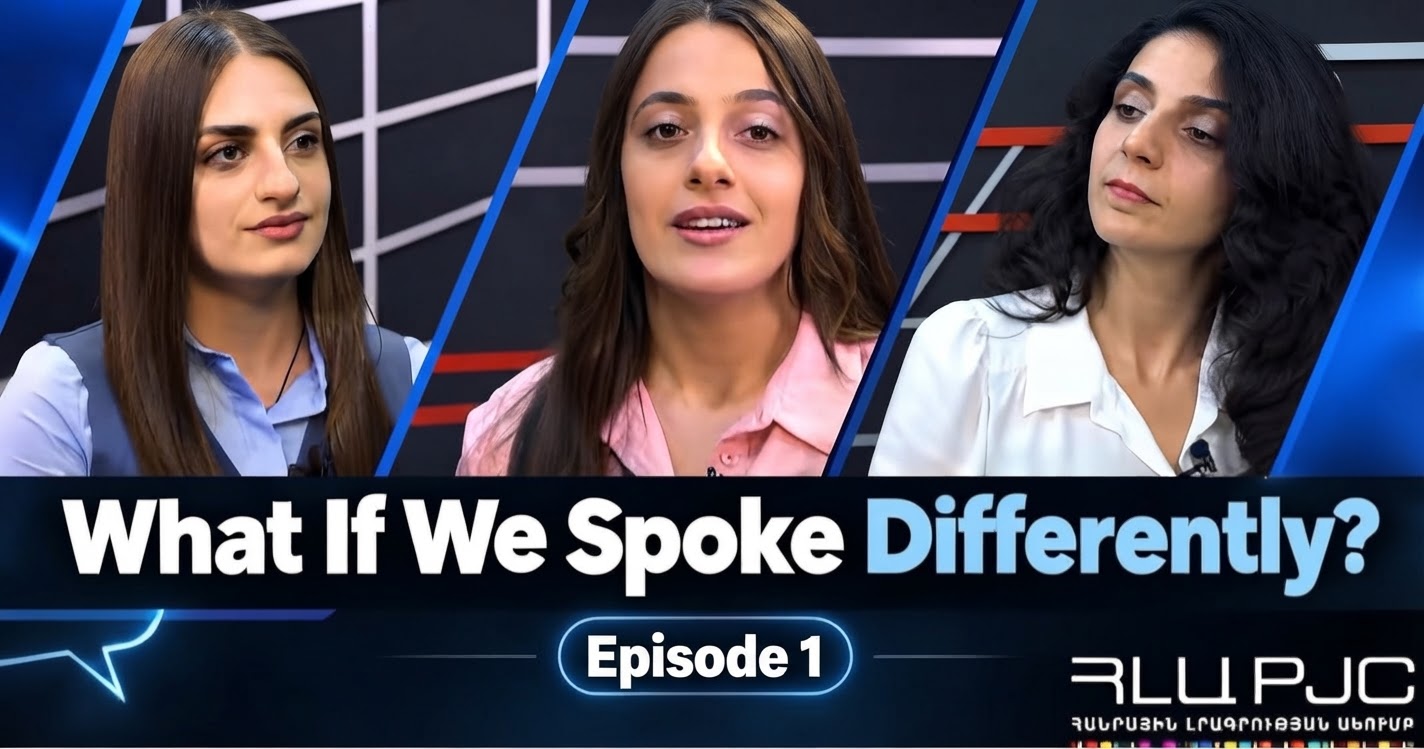
This is the question at the heart of the “What If We Spoke Differently?” initiative.
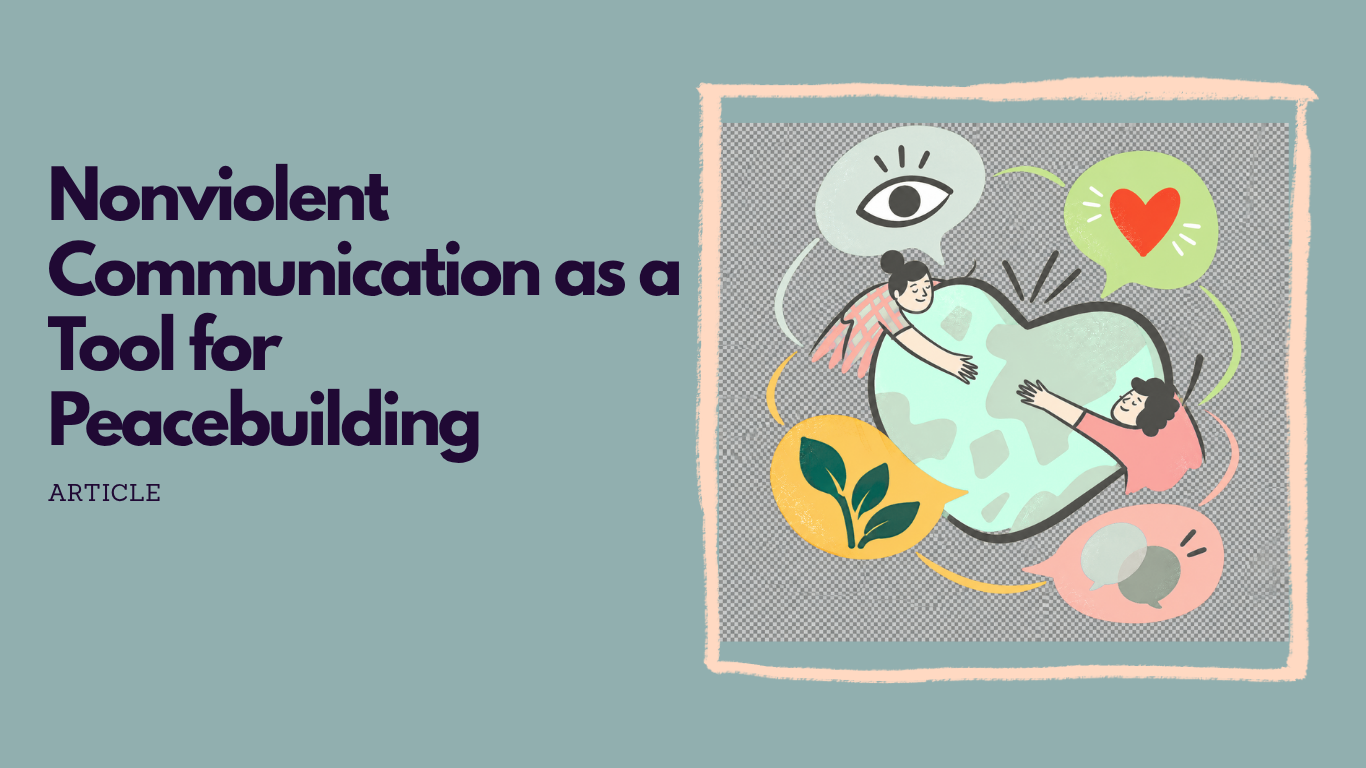
Nonviolent Communication, or NVC, is an approach to communication that helps us understand more clearly what is happening within us and in our relationships, express our feelings and needs, and listen to others without resorting to insult, humiliation, or blame. NVC is not a method intended only for personal relationships. It can also be a tool for peacebuilding, particularly in contexts marked by deep disagreement, painful experiences, polarisation, or long-standing mistrust.
The logic of NVC does not require us to agree with everyone. It does not mean giving up our own position or accepting what we find unacceptable. Rather, it invites us to make important distinctions: between a person and their actions, between facts and judgments, between feelings and blame, between needs and positions, and between requests and demands.
These distinctions may seem small, but they are precisely what can begin to shape a different culture of communication.
The Four Steps of NVC
NVC is commonly presented through four core steps:
- Observation — What actually happened, without labels or judgment?
- Feeling — What am I feeling in this situation?
- Need — What matters to me beneath this feeling?
- Request — What specific action would I like to ask the other person to take?
This sequence can help us pause in moments of conflict rather than react solely on impulse. A nonviolent response does not always come naturally. It is a skill that can be learned and practised. In the late 1950s, American civil rights activist James Lawson trained young activists in Nashville in the methods of nonviolent resistance. They practised how to respond to insults, pressure, and provocation without resorting to violence. Among those who took part in these trainings were John Lewis and Diane Nash.
This historical experience offers an important reminder: a culture of peace is not only about values. It is also about behaviour, choices, and skills.
Observation Without Labelling
One of the first important principles of NVC is learning to distinguish between what actually happened and the interpretation we attach to it.
For example, “He interrupted me three times during the conversation” and “He is a disrespectful person” are not the same statement. The first describes an observable situation. The second is a judgment about the person.
This seemingly small distinction can often determine whether a conversation continues or turns into mutual defensiveness and labelling. Peace-oriented communication does not require us to abandon our judgments or beliefs. It asks us first to see clearly: What is the fact, and what is our interpretation of it?
This is particularly important in polarised societies. When we move quickly from judging an action to defining an entire person or group, we easily reinforce the divide between “us” and “them.”
Feeling Without Blame
Consider the sentence: “I feel that you don’t respect me.”
It may sound as though it expresses a feeling, but in fact it already contains an interpretation of the other person’s behaviour. The actual feeling might be: I feel hurt, sad, anxious, afraid, disappointed, angry, happy, or calm.
NVC encourages us to learn to recognise and name our emotions more accurately. This matters not only for personal self-awareness. When we do not understand what we are feeling, we often express those feelings in other ways — through harsh words, silence, insults, or aggression. From a peacebuilding perspective, this capacity is particularly important: being able to speak about pain, fear, or anger without immediately turning those feelings into accusations.
In 1968, American labour leader César Chávez undertook a 25-day fast to reaffirm his movement’s commitment to nonviolence. At the time, he was also concerned about growing support within the movement for the use of violent methods. This episode is an important reminder: anger can be real and justified, but it does not have to determine how we act. Between feeling and response, there is always room for choice.
Behind the Feeling, a Need
NVC invites us to go one step deeper and ask: What is important to me right now?
Behind anger, hurt, or anxiety, there may be needs for safety, respect, justice, being heard, participation, autonomy, or belonging. In conflict, people often confront one another at the level of positions. Yet beneath those positions, it is sometimes possible to recognise very human and understandable needs.
This does not mean justifying every action or abandoning accountability. But recognising the need can help us avoid losing sight of the person within the conflict. This is one of the key capacities of peace-oriented communication: even in the midst of profound disagreement, to continue seeing the human being.
A Request, Not a Demand
NVC also draws an important distinction between a request and a demand. If we say, “Could you do this?” but respond to “no” with blame, shame, or pressure, then what we called a request may in fact have been a demand. A genuine request means that the other person’s response is also heard. This does not mean giving up what matters to us. On the contrary, NVC encourages us to say as clearly as possible what we want.
Instead of saying only, “Don’t interrupt me,” we might say: “Could you give me two minutes to finish what I’m saying?” This shift is important in peacebuilding as well. Simply stating what we oppose does not yet tell others what we want to build in its place.
During Liberia’s civil war, peace activist Leymah Gbowee helped bring Christian and Muslim women together in a nonviolent peace movement. Through public action, the women demanded an end to the war and progress in the peace process. Their movement played an important role in helping advance the 2003 peace process.
One important aspect of this story was the clarity of the goal: not only saying what you are against, but also showing what change you want to see.
“No” Can Also Be Nonviolent
Nonviolent Communication does not mean always saying “yes.”
We can disagree.
We can set boundaries.
We can refuse.
We can defend our dignity.
On 1 December 1955, Rosa Parks refused to give up her seat on a bus in Montgomery. Her “no” became the catalyst for one of the defining moments of the U.S. civil rights movement: the Montgomery Bus Boycott. Her story reminds us that nonviolence is not submission. A culture of peace is not a culture of agreement. It is a culture in which we can disagree clearly without insult, threat, or diminishing another person’s dignity.
NVC Is Also About How We Express Gratitude NVC is not only about conflict. It also teaches us to notice the actions that create connection between people.
Saying “thank you” matters. But NVC also encourages us to name what we are grateful for, how the other person’s action made us feel, and what important need it helped meet.
For example: “When you listened to me yesterday until I had finished, without interrupting, I felt calmer because being heard was very important to me. Thank you.”
This kind of gratitude is more than a compliment. It helps us understand which of our actions are meaningful to others, and why. A culture of peace is built not only when we learn to handle conflict differently, but also when we learn to notice and name what already creates trust and connection between us.
Changing How We Communicate to Change the Environment Around Us NVC does not resolve conflicts for us. It does not erase painful histories, power imbalances, or deep disagreements. But it can help create a culture in which it is possible to speak about these realities without creating new hurt or new hostility. A culture of peace is also built in everyday life — in families, schools, workplaces, the media, social networks, and public discussions.
Every time we distinguish facts from judgments, name what we are genuinely feeling, try to understand the need behind that feeling, make a clear request, or say “no” without insult, we take a small step towards a different culture of communication. By changing the way we communicate, we also help build a culture of peace.
What if we spoke differently?
📕📲 Read it. Share it. Be a force for positive change. 😊